How RECO Sugarcane Straws Help the Planet
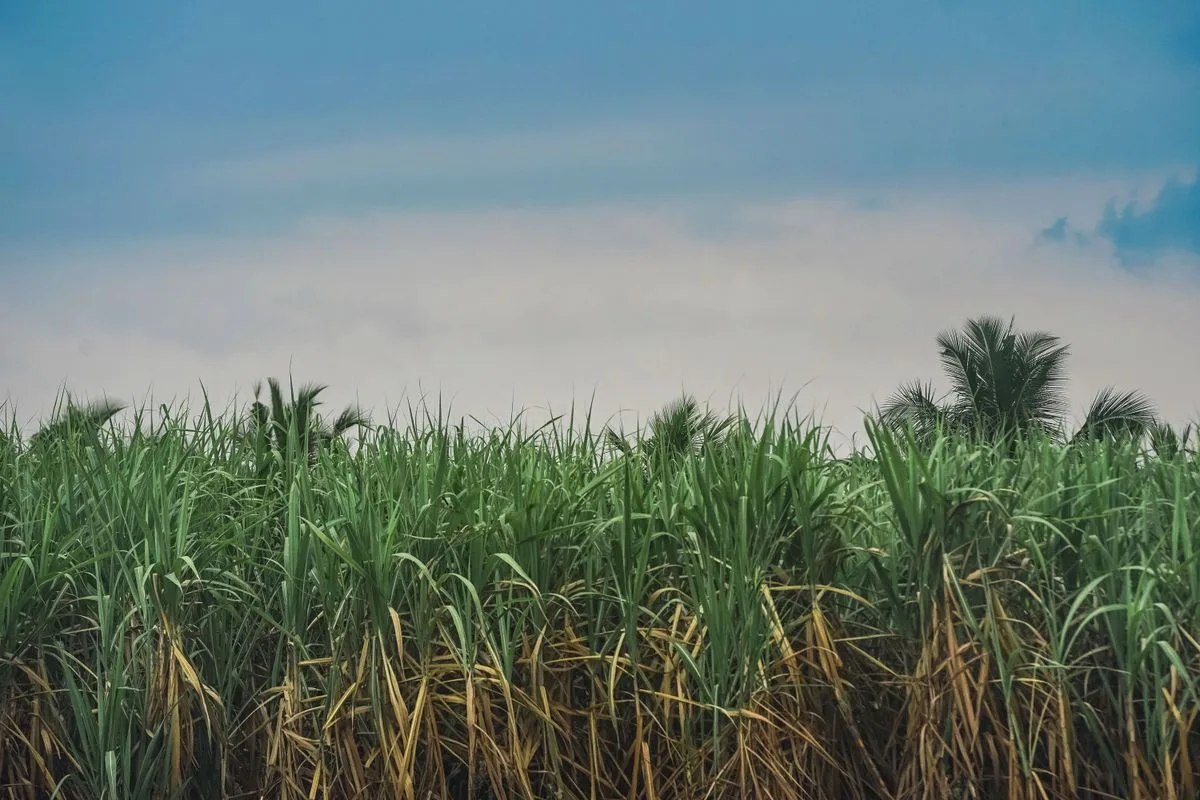
Behind every RECO straw is a process designed to be environmentally responsible from raw material to end of life.
The lifecycle
Farmers grow and harvest sugarcane → sugar production begins → leftover bagasse fiber is extracted → the fiber becomes sugarcane straws → each straw is individually wrapped for hygiene → delivered to restaurants and hotels.
Versus plastic
Plastic straws come from petroleum, a finite resource, and take up to 200 years to decompose, leaving microplastics behind along the way. RECO straws are made from plant-based bioplastic combined with bagasse, an alternative material to petroleum-based plastic.
Versus paper straws
Paper straws are also biodegradable, but paper production requires cutting down trees, uses large amounts of water, and generates significant production waste. RECO straws are made from bagasse that's already a byproduct of sugar production, so no new raw material is consumed to make them.
Bottom line
Choosing RECO means putting an existing byproduct to new use, instead of creating new demand on the environment.
Ready to take the first step?
Request a free sample and take the first step toward a more sustainable menu.
Request free sample →